All home cooking › Blanched
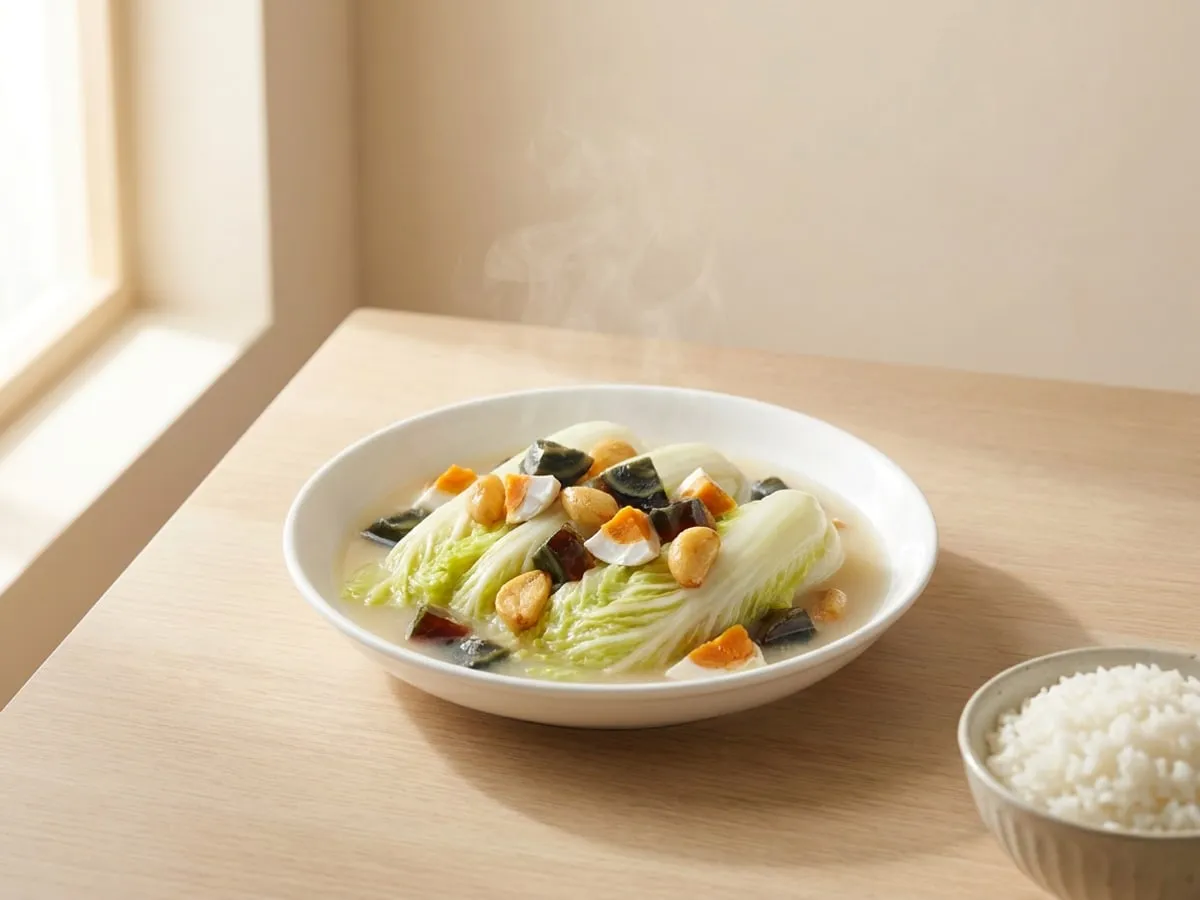
Baby wombok in stock
上湯娃娃菜
“Blanched, a pour of soy. Clean and simple.”
Ingredientsserves 4
Superior stock· plus 125 ml water; carton chicken stock or bouillon powder in water250 ml chicken stock
Rice wine (cooking wine)1 tsp Shaoxing wine
Sugara pinch
Cooking oil2 tbsp
Method
- If the salted egg is raw, put it in cold water in its shell, boil ten minutes, cool under the tap, shell and dice the white and yolk; shell and dice the century egg.
- Quarter the cabbages lengthways, rinse the grit from the base of each quarter, and drain.
- Heat the oil in the wok and fry the whole garlic cloves over medium heat until golden.
- Add the cabbage and turn it in the oil for a minute, add the diced eggs, and splash the wine down the side of the wok.
- Pour in the stock and water, bring to the boil, cover, and simmer on low eight to ten minutes until the stems are soft.
- Taste, season with a pinch of sugar and salt (the salted egg carries salt, so salt last), and serve with the stock.
Take care
- Contains egg; the dried-shrimp version contains crustacean. Carton stock and chicken powder usually contain soy and wheat, so read the label. The salted egg is salty, so salt last.
The story
Baby wombok is a recent vegetable, a dwarf cabbage bred in the 1990s that Hong Kong supermarkets took to because it fits a small fridge and cooks in ten minutes, and this is the restaurant dish that came home with it (the mainland encyclopaedia entry calls it a home dish of the 2000s). It is the winter cousin of the amaranth in stock: the same garlic, the same stock, the same pair of eggs.
Same technique
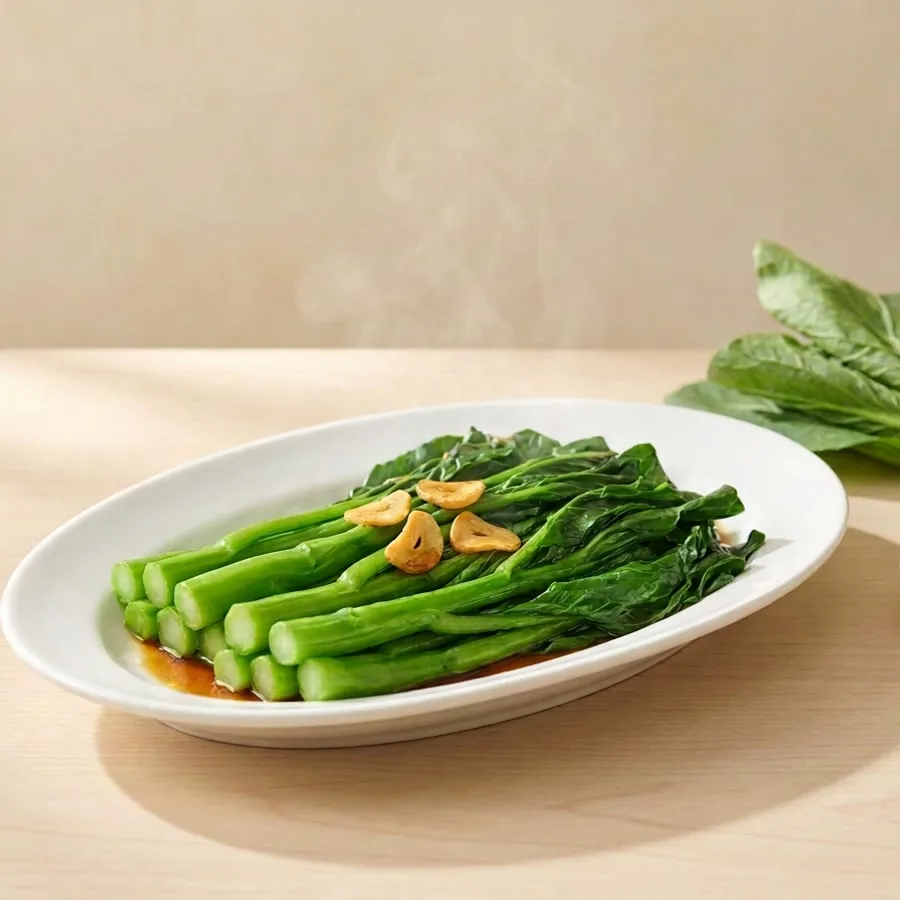
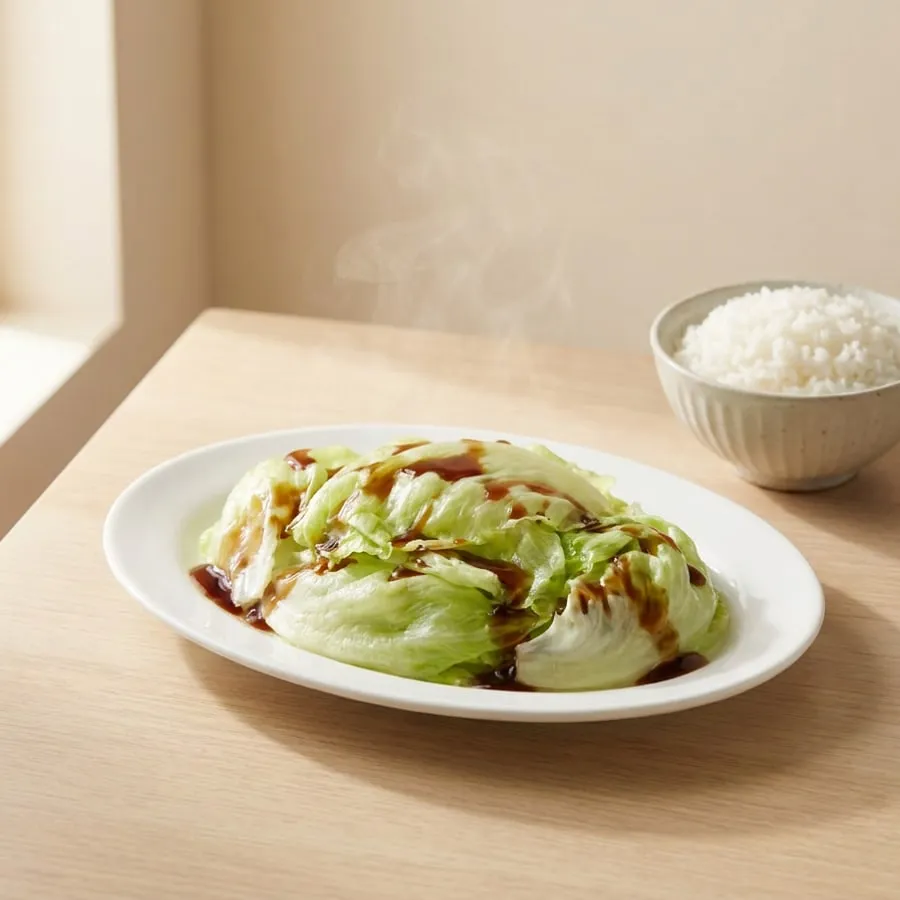
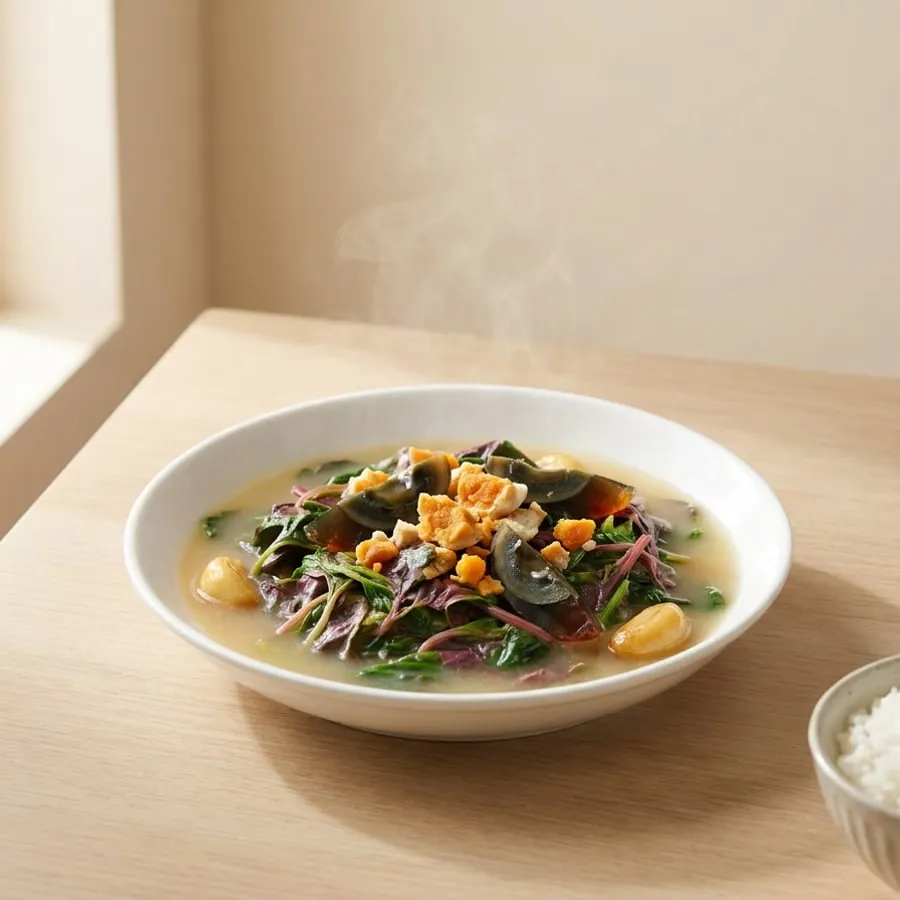
Lo Fo Tong is cultural food-heritage reference, not medical advice. If you are pregnant, unwell or on medication, talk to your doctor or registered practitioner before changing what is in the pot.